Outdoor Activity and Connection with Nature
Explore the profound physical and mental benefits of engaging with outdoor environments and natural settings.
Nature as a Context for Active Living
Engaging with outdoor environments provides a rich context for physical activity, social connection, and mental well-being. Whether walking in parks, hiking trails, or simply spending time in natural settings, outdoor activity offers multifaceted benefits beyond the exercise itself.
Natural environments provide variable terrain, changing conditions, and sensory stimulation that engage the body and mind in unique ways compared to indoor exercise.
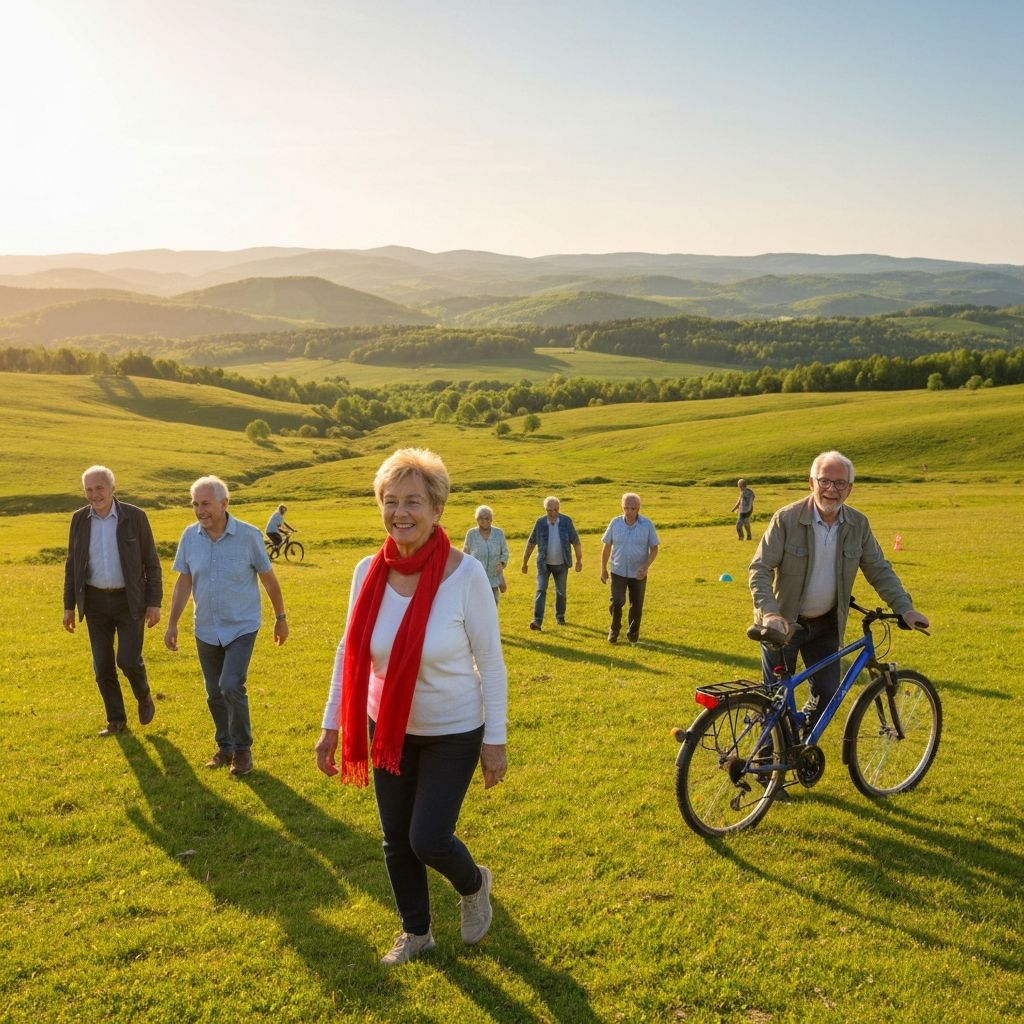
Physical Benefits of Outdoor Activity
Psychological and Cognitive Benefits
Research consistently shows that time in natural settings provides mental and emotional benefits:
Stress Reduction
Natural environments reduce stress hormones and promote relaxation through sensory experiences and calm visual environments.
Mood Enhancement
Exposure to nature and outdoor activity supports positive mood and emotional well-being through multiple mechanisms.
Cognitive Function
Natural settings support attention restoration and mental clarity, particularly compared to built urban environments.
Mindfulness
Natural environments naturally encourage present-moment awareness and engagement with sensory experience.
Social Benefits
Outdoor activities often provide opportunities for social connection:
Types of Accessible Outdoor Activities
Important Limitation & Context
The information provided on this website is for general educational purposes only and is not intended as medical advice. It does not replace professional consultation, diagnosis, or treatment. Individual needs and health conditions vary, and what is suitable for one person may not be for another. Always consult with a qualified healthcare professional before making any decisions related to your health or well-being.
Explore More Topics
Return to our knowledge hub to discover other articles on active longevity and well-being.
View All Articles